Wedding Videography Timeline: How to Capture the Full Story Without Rushing the Day
A wedding videography timeline connects coverage hours to the moments you actually want preserved. It gives filmmakers time to record details, place microphones, capture meaningful interactions, and move between locations without turning the wedding into a production.
The strongest timeline is not packed with video-specific activities. It creates breathing room around events that are already meaningful: preparations, vows, portraits, speeches, family traditions, and the reception. When those moments have realistic timing, photography and videography can work naturally around them.
At Fisher Film & Photo, we help Charleston couples plan coverage around the day they are genuinely having. The framework below can be adjusted for eight-hour, all-day, and multi-event celebrations.
Start With Moments, Not Coverage Hours
Before choosing a package, list the first and last events you want on film. If preparations begin at noon and the send-off happens at 11:00 p.m., eight hours cannot include both without changes.
Prioritize moments such as:
- Both partners preparing.
- Letters, gifts, or private vows.
- A first look.
- The complete ceremony.
- Family and wedding-party interactions.
- Sunset portrait footage.
- Reception entrances and dances.
- Toasts or blessings.
- Open dancing and late-night traditions.
- A private last dance or formal exit.
Once priorities are clear, your filmmaker can recommend a start and end time. Our Charleston wedding videography guide explains how crew size, locations, and deliverables influence the plan.
A Sample Full Wedding Videography Timeline
This example assumes a 5:00 p.m. ceremony, nearby locations, and an evening reception. It is a framework, not a universal schedule.
12:30 p.m. — Videography team arrives
The team greets the planner and photography team, reviews any changes, records venue establishing footage, and begins filming details. If the ceremony and reception are in different places, some venue footage may need to be captured later.
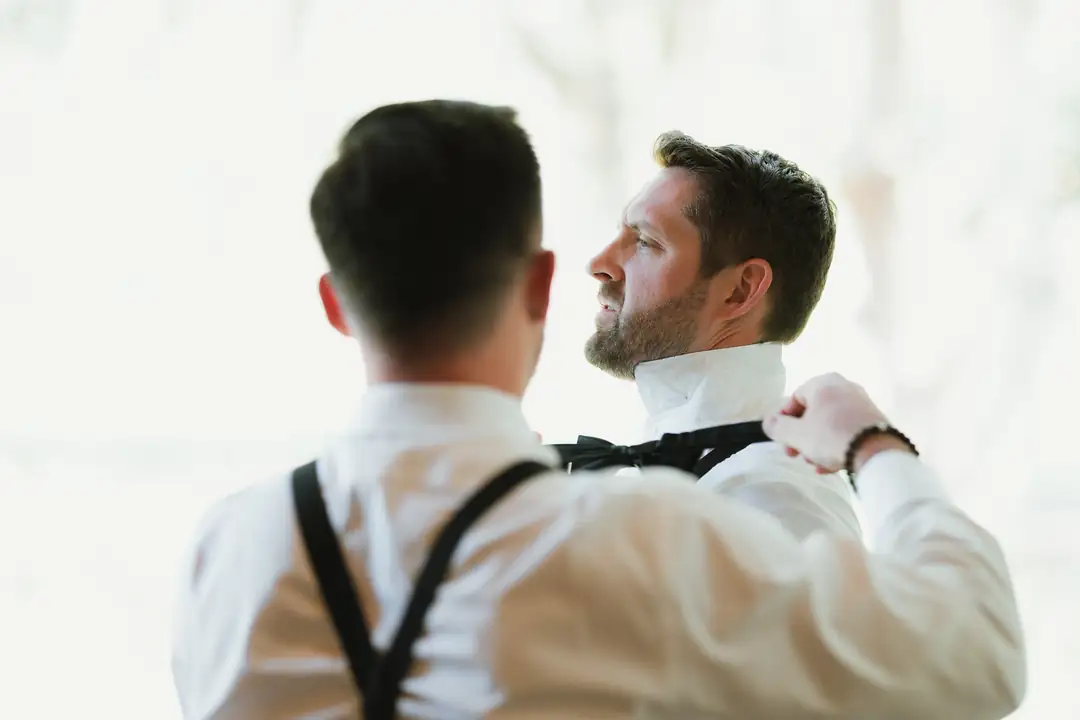
1:00 p.m. — Details and preparations
Attire, rings, stationery, flowers, and personal items are filmed before they are needed. The team records candid preparation footage and interactions with family or the wedding party.
Important objects should be gathered in one place. A clean, naturally lit area reduces setup time and keeps personal items from being misplaced.
2:15 p.m. — Final preparation moments
This may include getting dressed, help from a parent, gifts, letters, or a quiet portrait. If both partners prepare at separate locations, a second videographer or additional travel time may be necessary.
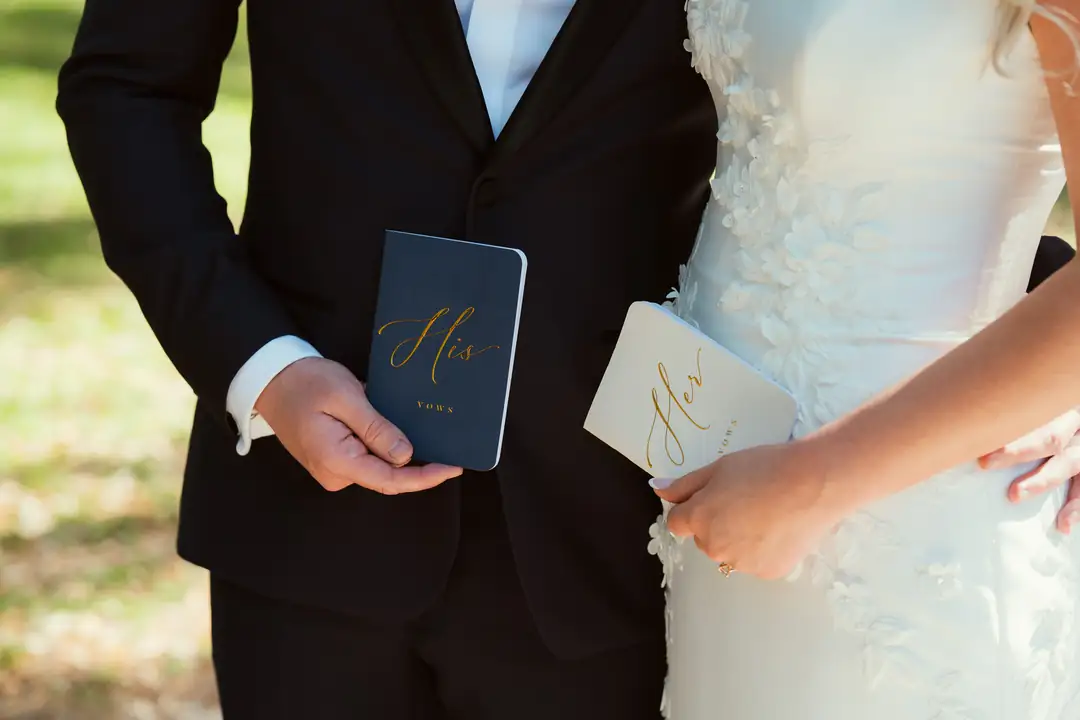
3:00 p.m. — First look and private vows
The team places cameras and microphones before the couple arrives. The moment should unfold without repeated entrances or directions. Leave time afterward for the couple to respond naturally rather than moving immediately into portraits.
3:30 p.m. — Couple and wedding-party portraits
Photography usually leads posed portraits while videography captures movement, transitions, and interactions. Coordinated teams can share this window without asking the couple to repeat every action.
4:15 p.m. — Hide away and ceremony preparation
The couple moves out of guest view. Videographers place or check ceremony cameras, connect audio recorders, capture arriving guests, and review processional positions.
This buffer is essential. Audio cannot be prepared properly if the team finishes portraits as the processional begins.
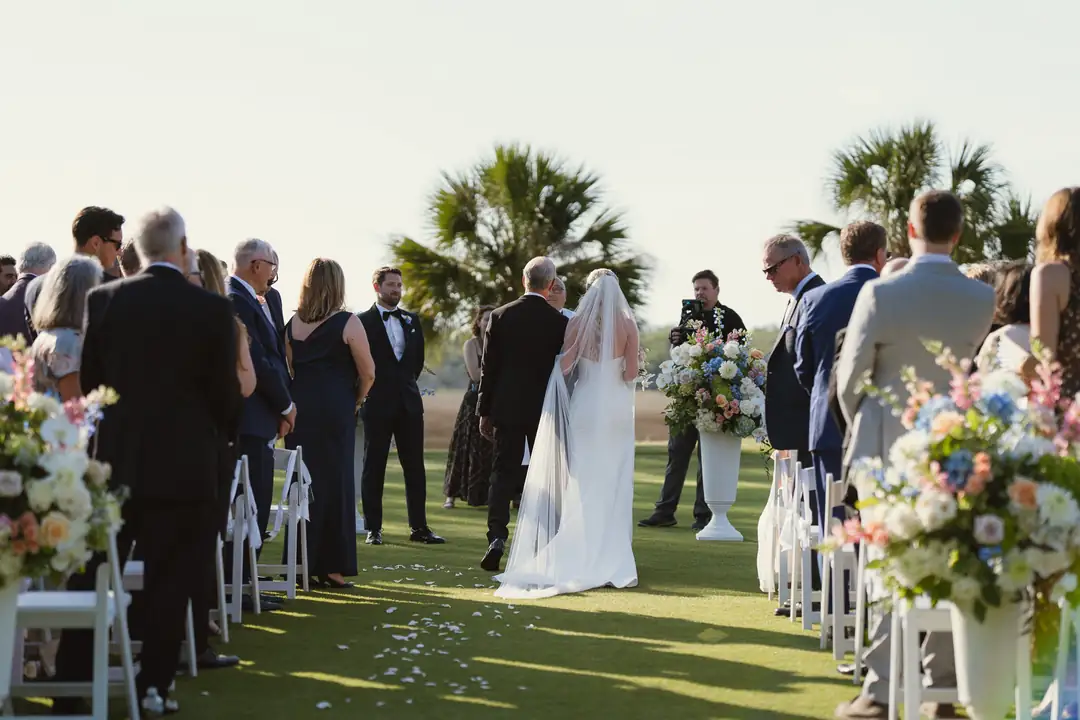
5:00 p.m. — Ceremony
The ceremony is recorded with multiple visual and audio sources when included in the collection. The team covers the processional, reactions, vows, rings, kiss, recessional, and atmosphere without obstructing guests.
5:30 p.m. — Family portraits and cocktail hour
One professional may capture family interactions while another records cocktail hour, the venue, and reception details. If the room must be filmed untouched, the planner should protect a short window before guests enter.
6:15 p.m. — Sunset or couple footage
Depending on the season, the couple may step away for ten to twenty minutes of portrait footage. Schedule this around actual sunset rather than a generic timeline template.
7:00 p.m. — Reception entrance and first dance
Videographers coordinate camera positions, lighting, and audio before the entrance. Events that happen immediately after one another should be communicated clearly.
7:30 p.m. — Dinner
The video team records brief room atmosphere and table interactions, then takes a vendor meal while guests eat. Vendors should be served early enough to be ready if speeches begin near the end of dinner.
8:15 p.m. — Toasts and family dances
The team records soundboard audio and backup microphone sources. Speakers should use the provided microphone and stand where the couple can see them.
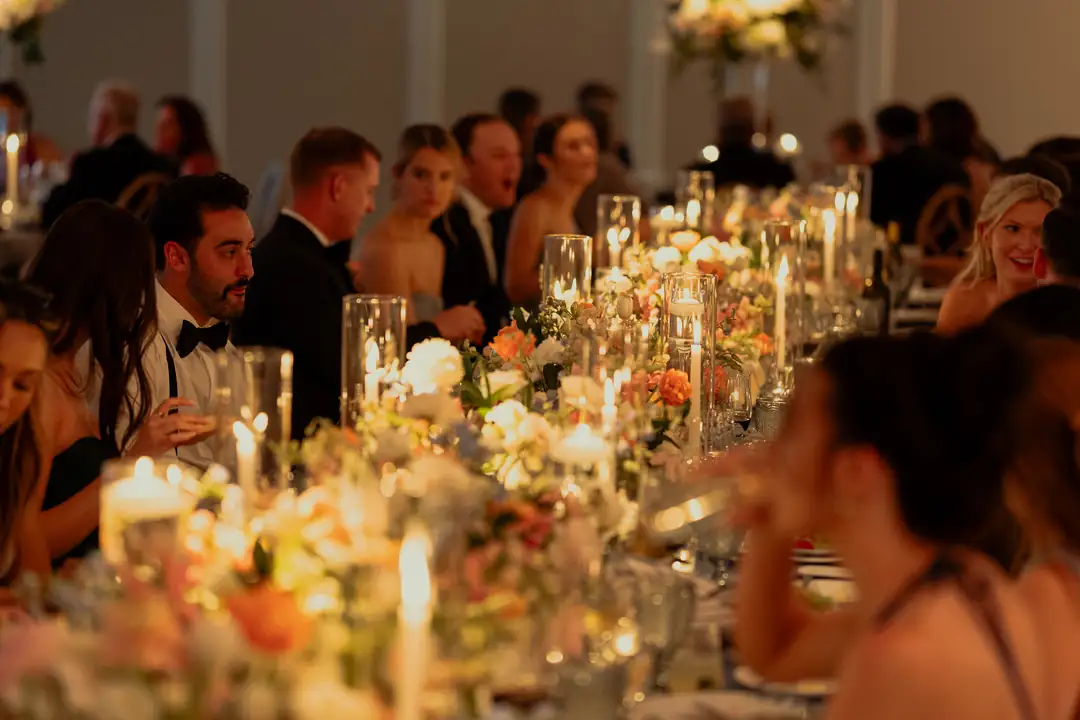
9:00 p.m. — Open dancing
Forty-five to ninety minutes may be enough to capture a strong variety of dance-floor footage, depending on the guest count and energy. Late-night food, cultural traditions, or surprise performances should be identified in advance.
10:15 p.m. — Private dance or exit
A final event gives the film a natural ending. If the formal exit is much later than coverage allows, discuss a private last dance, an extension, or a carefully planned earlier send-off.
How Much Time Does Each Part Need?
Details: 30 to 60 minutes
Detail footage is most efficient when items are gathered and the rooms are tidy. Elaborate styling, multiple locations, or several heirlooms require more time.
Preparations: 60 to 120 minutes
Allow enough time for candid interactions and final dressing. Separate preparation locations can turn a simple schedule into a travel challenge.
First look or private vows: 20 to 40 minutes
The actual reveal may be brief, but setup, microphones, movement, and a few quiet minutes afterward matter. Private vows take longer when each partner reads a full letter.
Ceremony setup: at least 30 minutes
Multiple cameras and audio sources need to be placed and tested before guests block access. Venue rules and long walking distances may require more.
Reception details: 15 to 30 minutes
The completed room should be filmed before guests enter. Coordinate this window with the planner, caterer, florist, and venue.
Open dancing: 45 to 90 minutes
The team needs enough time for the dance floor to build energy and produce visual variety. Several additional hours can become repetitive unless late traditions are planned.
For deeper reception planning, read our reception coverage guide.
Timeline Factors Unique to Charleston Weddings
Charleston’s settings can create beautiful footage and specific logistical needs.
Historic downtown venues may involve narrow streets, limited parking, stairs, and walking between locations. Garden and plantation properties can require transportation across large grounds. Beach ceremonies depend on wind, tide, access, and changing light. Tented receptions may need supplemental lighting as soon as the sun sets.
Season also matters. Summer heat may call for shorter outdoor windows and touch-up time. Afternoon storms can alter travel and ceremony plans quickly. Fall and spring dates may have busy downtown streets and crowded portrait locations.
Build one flexible buffer of at least fifteen minutes into the day. It is far easier to enjoy unexpected extra time than to recover from a schedule with no margin.
Photo and Video Timeline Coordination
Photo and video teams need many of the same moments, but they create different results. One team should not receive a separate timeline that conflicts with the other.
Before the wedding:
- Share one current timeline with the planner, photographer, videographer, DJ, and venue.
- Introduce separate photo and video companies.
- Decide who will direct portraits.
- Identify travel and setup windows.
- Tell both teams about surprises.
- Give the videographer time to coordinate ceremony and toast audio.
Booking a combined team can make this coordination simpler. Review Fisher Film & Photo’s photography and video collections and portfolio to see the relationship between still and moving coverage.
Should You Use a Wedding Videography Shot List?
A short priority list is useful; a list of dozens of generic shots is not. Professional filmmakers already know to capture the rings, processional, vows, first dance, and cake cutting. What they do not know is which people, traditions, and objects are meaningful specifically to you.
Share:
- Important family members and friends.
- Heirlooms or handmade details.
- Cultural and religious traditions.
- Surprise events.
- Sensitive family dynamics.
- Moments you do not want filmed or shared.
Trust the team to respond to unscripted moments rather than checking boxes throughout the day.
Coverage Length: Eight Hours, All Day, or Weekend
Eight hours can suit a compact wedding with one venue, an earlier start, or no late exit. All-day coverage gives more flexibility for preparations and reception events. Weekend coverage can connect a welcome party, rehearsal, wedding, and related gatherings.
Compare the hours with your actual event span. Then review the finished deliverables. A wedding highlight film and complete ceremony recording may require the same wedding-day coverage but result in different post-production work.
Our guide to wedding videographer cost in Charleston explains how hours, crew, audio, and editing affect pricing.
Frequently Asked Questions About Wedding Videography Timelines
When should the videographer arrive?
Arrival depends on whether you want details, both partners preparing, letters, or a first look filmed. Many full-day stories begin at least two hours before the ceremony, with more time for separate locations.
How much setup time is needed before the ceremony?
Reserve at least thirty minutes for camera and audio setup, plus travel time. Complex venues, long walks, or restricted access may require more.
Should speeches happen during dinner?
They can, but vendors must know the exact timing and receive meals early enough to be ready. Avoid beginning speeches without confirming that photo and video teams are in position.
Can the timeline change on the wedding day?
Yes. A good team adapts, but communication matters. Ask the planner or designated contact to notify filmmakers before important events move.
Do we need coverage until the final exit?
Only if the exit matters to your film. Many galleries and films have enough dance-floor material before the party ends. A private last dance or another closing moment can create a natural ending.
Give Meaningful Moments Room to Happen
A wedding videography timeline should make the day calmer, not more controlled. When setup, audio, travel, and transitions have realistic space, the filmmaking team can focus on genuine moments instead of racing the clock.
Fisher Film & Photo plans cinematic coverage around Charleston weddings of different sizes and settings. Send us your date, venue, and draft timeline so we can help match coverage to the story you want preserved.
← All Articles